
Camino Francés for Beginners: Advice for Planning and Walking

A first-timer’s guide to walking the most popular Camino route
Thinking about walking the Camino de Santiago but feeling overwhelmed by where to start? I was once those same shoes. After walking the route myself, I developed this Camino Francés for beginners guide to help you get a solid understanding of what to expect.
In May 2025, Steve and I walked the first third of the Camino Francés – about 300 km across northern Spain over 13 days- and we’re already planning our return to finish the full route. This guide blends practical tips with what we learned on the trail, especially designed for first-timers.
And know this: While it may sound intimidating at first, the Camino Francés is one of the most accessible long-distance walks you can take.
What Is the Camino Francés?
The Camino Francés (French Way) is the most popular route of the Camino de Santiago pilgrimage, stretching about 800 kilometers across northern Spain.
Traditionally starting in Saint-Jean-Pied-de-Port near the French border, the French Way passes through iconic cities like Pamplona, Burgos, and León (and plenty of tiny villages, too) before reaching the cathedral city of Santiago de Compostela.
With centuries of history and a well-established network of pilgrim services, it’s often the first choice for beginners looking to experience the Camino.
Why Do People Walk the Camino Francés?
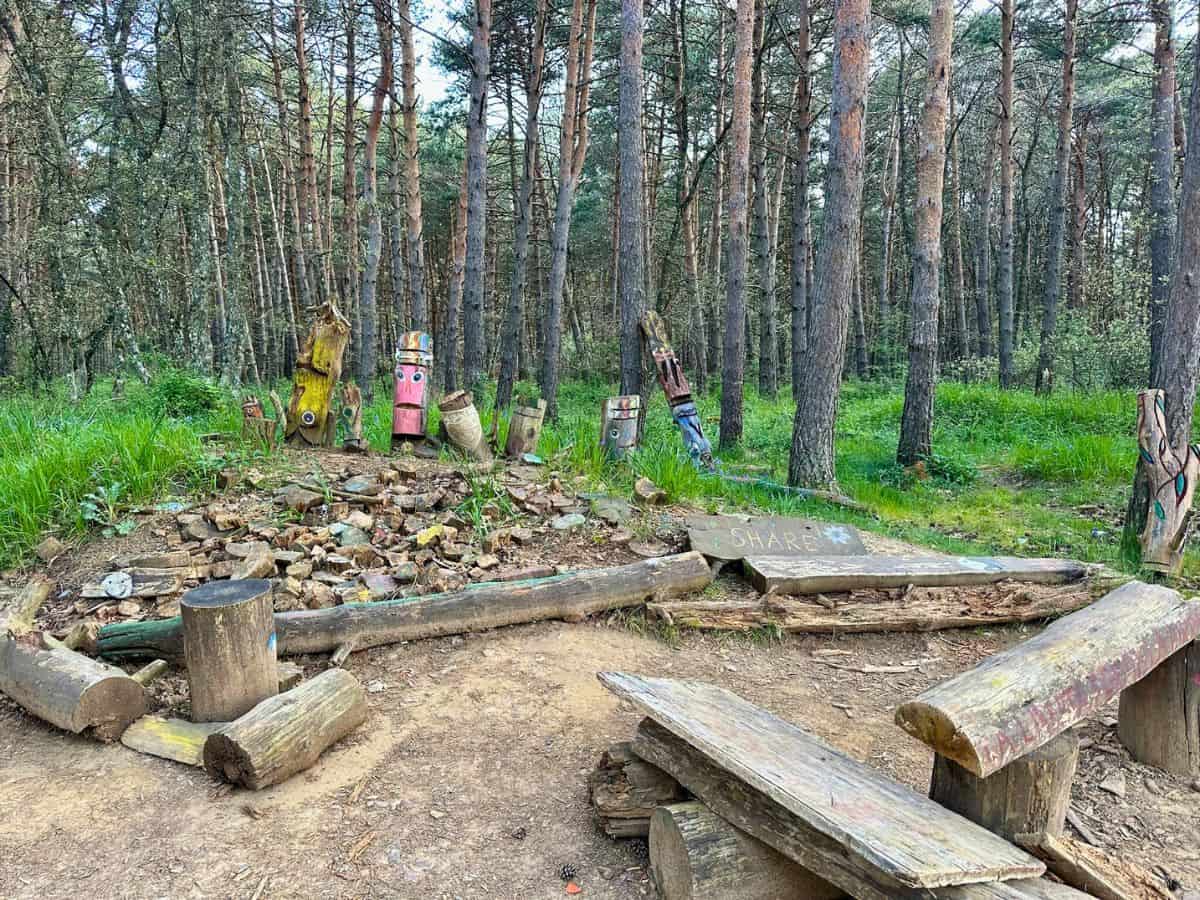
People walk the Camino Francés for many reasons. Some do it for traditional religious purposes or spiritual reflection. Others seek personal growth, cultural connection, or simply the adventure of moving through beautiful, varied landscapes on foot.
Pilgrims might be marking a life transition, celebrating a milestone, or finding peace in the simplicity of the daily walking rhythm. And some – like me – walk the Camino for someone else, carrying their story along the way.
Your reason for walking doesn’t have to be profound. In fact, you don’t need a reason at all. Many find their “why” only after they’ve started, or even years later.
Camino Francés for Beginners: Routes & Length
Choosing a Route
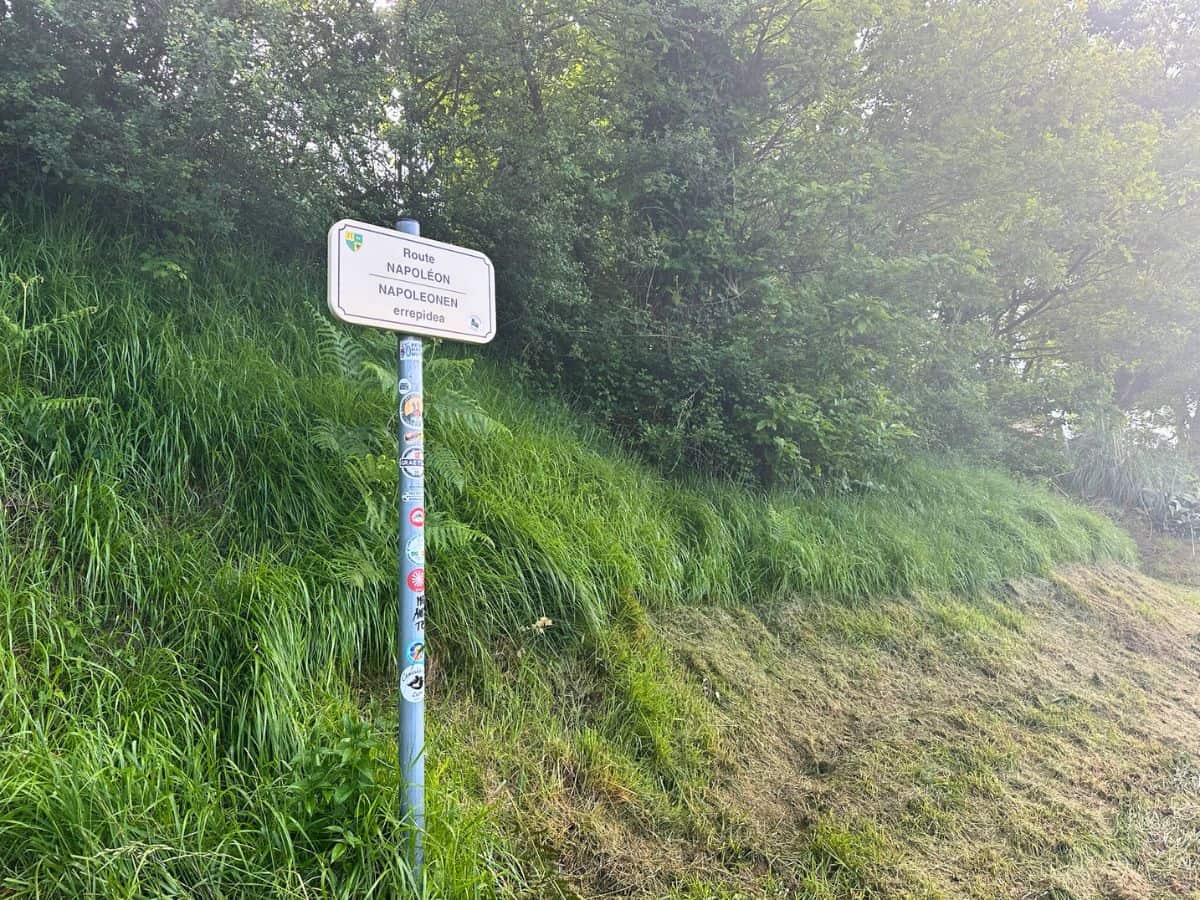
While the Camino de Santiago offers many routes, the Camino Francés is by far the most popular and well-serviced option (especially for first-timers). It offers a mix of varied terrain, charming towns, and a strong pilgrim community.
Other routes like the Camino Portugués, Camino Inglés, and Camino del Norte each have their own appeal and terrain differences, but if you’re new to the Camino, the Francés is a great place to start.
You can start the Camino Francés at different points depending on how much time you have. In fact, a majority of Camino Francés walkers begin at Sarria to complete the minimum 100 kilometers needed to earn the Compostela certificate in Santiago.
In addition to walking from Sarria, walking the Camino Francés in sections, rather than the entire route at once, is another option. It’s how Steve and I approached the Camino Francés.
How Long Does It Take?
For the full Camino Francés, most walkers take about 5 weeks to cover the roughly 800 kilometers from Saint-Jean-Pied-de-Port to Santiago. Some finish in as little as 4 weeks by walking longer days, while others take 6 weeks or more, walking shorter days and/or incorporating rest days to recover.
If you walk just the last 100 kilometers from Sarria to Santiago, this typically takes 5 to 7 days.
Steve and I averaged about 5-6 hours of walking per day, moving at around 4–5 km/hour, with plenty of breaks for lunch and rest. Your pace and itinerary can be adjusted based on your fitness level, interests, and how much time you want to spend soaking in the experience.
Do You Need to Train?
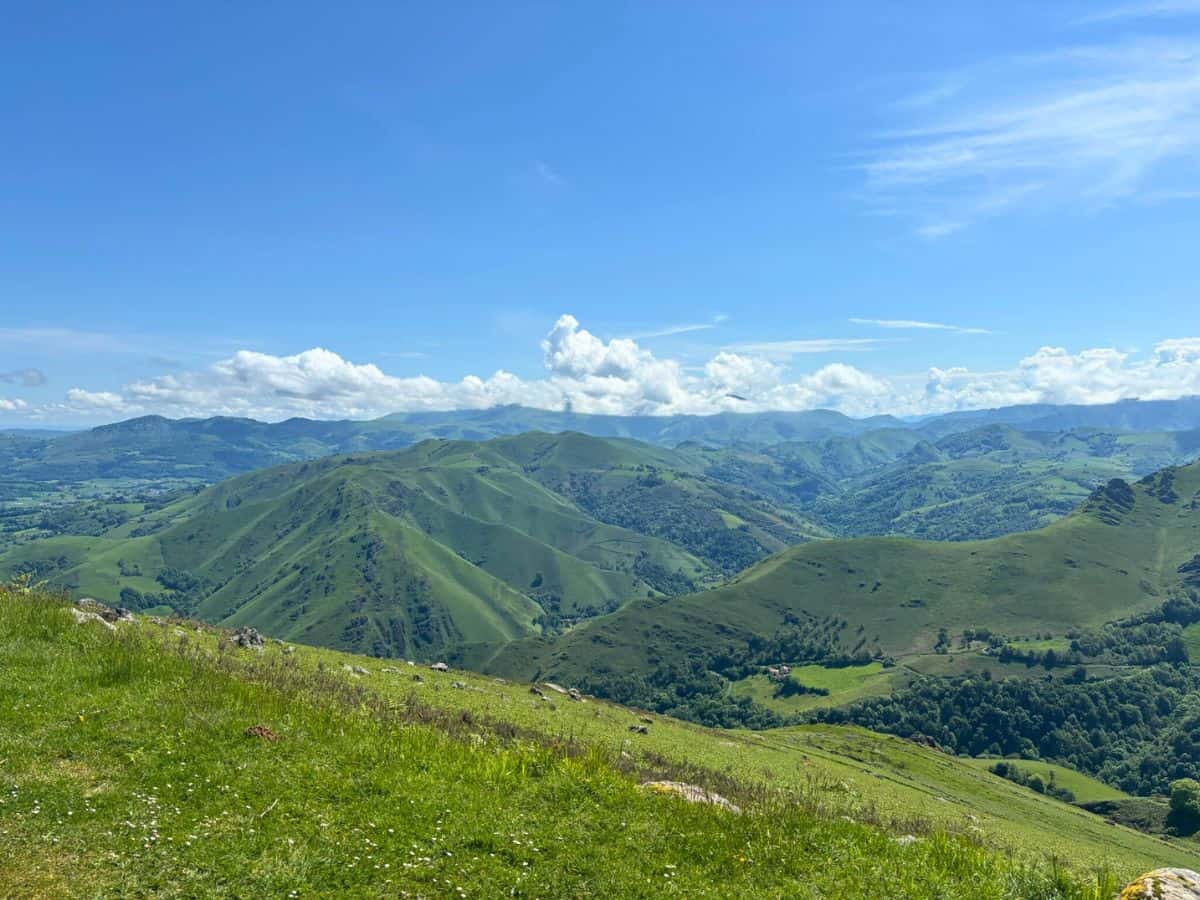
If you’re already active, you may not need much of a training plan, especially if you’re just planning to walk the last 100km from Sarria to Santiago.
Still, some preparation is key. Your body will adapt to the mileage and terrain as you go, but you’ll feel better from day one if you’ve built a base.
To prepare for the Camino Francés, I recommend:
- Going for several walks per week
- Building up to longer weekend walks
- Practicing with your full pack on mixed terrain
- Including hills if possible (especially if walking from Saint-Jean)
One of the best pieces of advice – especially if you’ve never done a multi-day hike – is to ease into your mileage on the Camino. Don’t launch into 25km days immediately. Instead, let your body ease into the rhythm over the first 3-4 days, then start to build as your body can tolerate it.
Where Do You Sleep on the Camino Francés?
Albergues, Casa Rurales, and More
If you’re walking the Camino Francés for the first time, you’ll likely stay in albergues – basic hostels made for pilgrims. These range from large bunk rooms to smaller dorms, and some even offer private rooms. If you want more comfort, you can book guesthouses, hotels, or cozy rural inns known as casas rurales.
One of the best things about the Camino Francés for beginners – especially those new to multi-day hiking – is that you don’t have to camp. I am not a camper, so this setup worked perfectly for me!
That said, it’s not a luxury trip. Accommodations are generally clean, simple, and friendly – just right for recharging before another day on the trail.
Should You Book Ahead?
Traditionally, many pilgrims booked accommodations as they went. And plenty still do. But with the growing popularity of the Camino Francés, it’s getting harder to find same-day lodging in on-stage towns, especially during peak seasons.
When we walked the first section of the Camino Francés, we chose to book most of our accommodations in advance. On the few nights we didn’t, we stayed in off-stage towns, where finding a bed was easier.
Some of our favorite places from the first section of the Camino Francés included:
- Plan B (Saint-Jean-Pied-de-Port): Centrally located right along Rue de la Citadelle, perfect for a comfortable stay before you start walking.
- Albergue Borda (Pyrenees): A cozy spot with an amazing host and a great way to meet Camino friends early on the route.
- Hostel Casa Ibarrola (Pamplona): Friendly hosts, clean, and well-located just inside the gate into the old town.
- Albergue Estrella Guía (Puente la Reina): Great community atmosphere, cozy kitchen and living area, zen vibes.
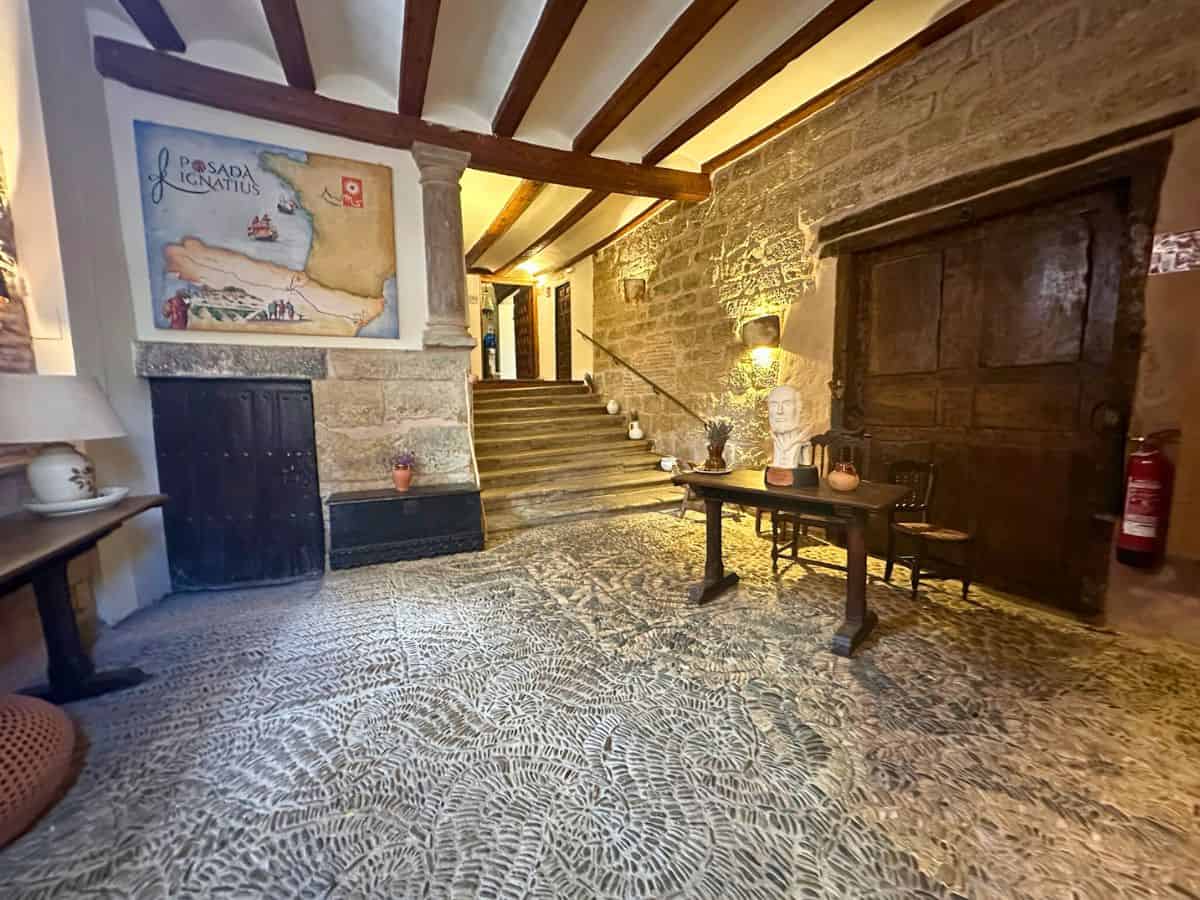
- Posada Ignatius (Navarrete): A stunning off-stage rural inn, ideal if you want a quieter night with a great restaurant downstairs.
Booking ahead helped us avoid stress, but we also found flexibility important since plans sometimes changed.
A rule we like to follow: know where you’re sleeping before you start walking each day. That way, you can enjoy the journey without stressing about lodging when your legs are tired.
What’s the Food Like on the Camino Francés?
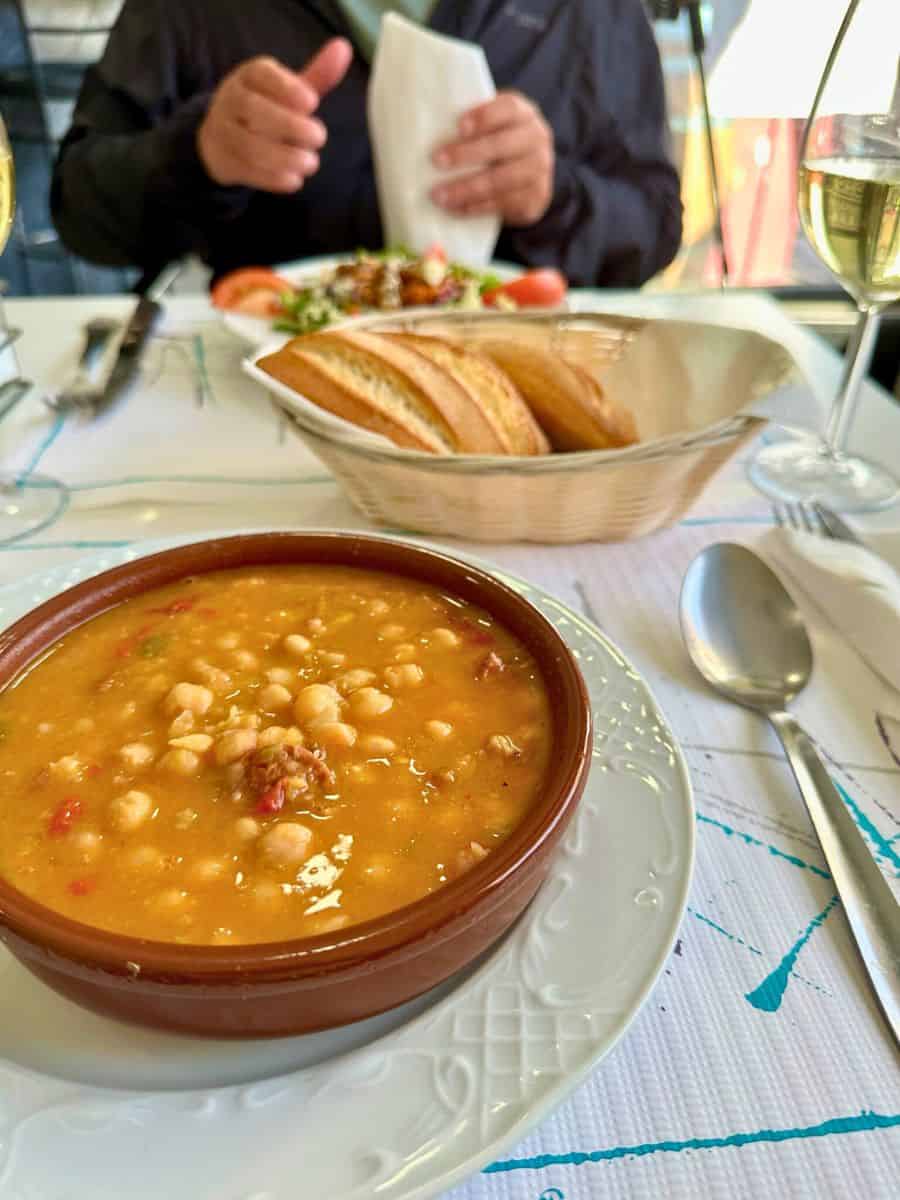
Let’s be real: Camino food is all about fuel. It’s affordable, filling, and surprisingly consistent. But don’t expect gourmet meals every day. You’ll find more variety and restaurant options in cities like Pamplona, Logroño, or Burgos, but day to day, the food is simple and sustaining.
Most albergues or nearby restaurants offer a pilgrim menu (menú del peregrino), which usually includes a simple starter, main dish, bread, dessert, and wine, all for around 12–15 euros. It’s basic, hearty, and just what your body needs after a long day of walking.
Breakfasts are light: think coffee, bread, and pastries. Lunch is often a quick café stop for a sandwich or tortilla, or a picnic with market snacks. On our walk along the Camino Francés, we’d sometimes sit down for a shady lunch mid-walk. Other days, we’d find a bench and eat whatever we had in our packs.
On the Camino Francés, whether you’re a beginner or walking your 10th Camino, it’s not about fine dining – it’s about keeping your energy up. Tasting local dishes is a bonus – getting enough calories is the goal.
What Should You Pack for the Camino Francés?
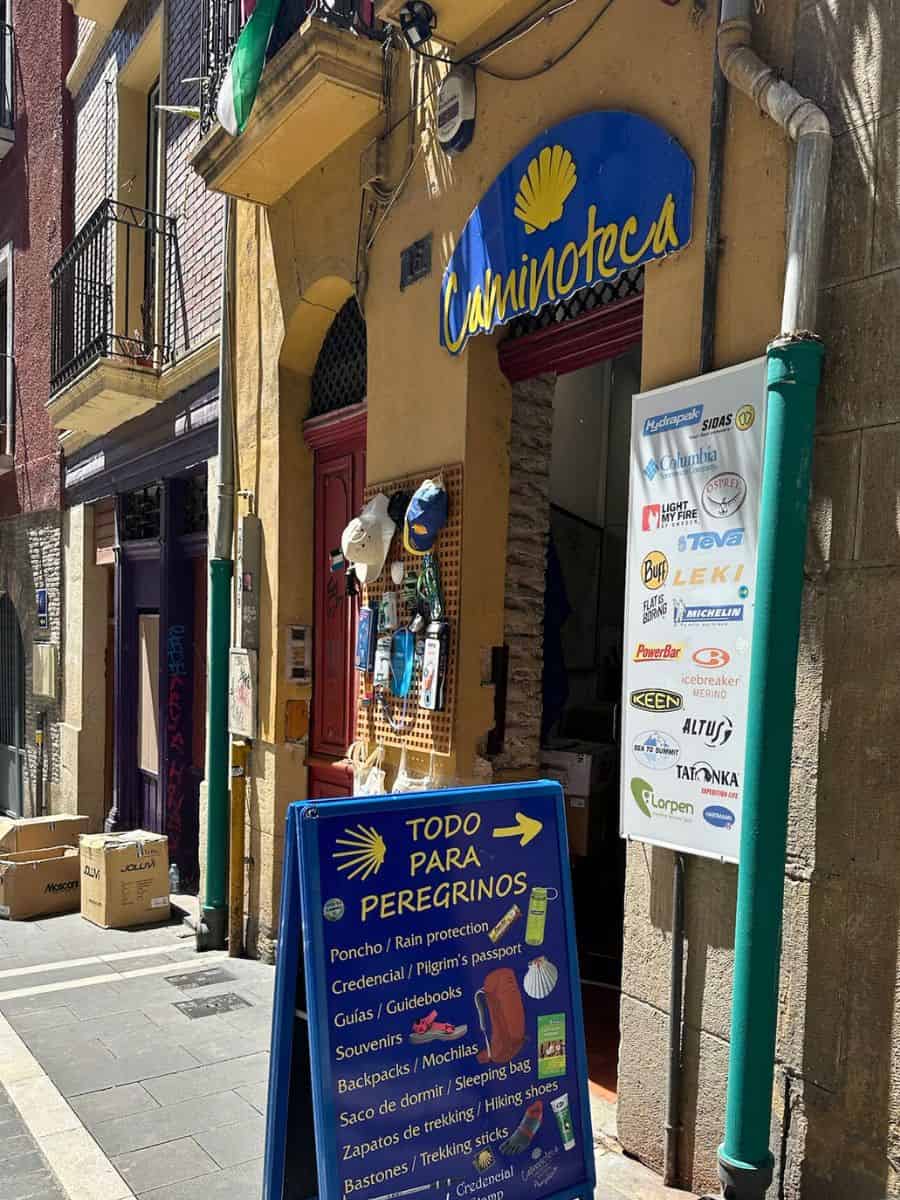
You’ll find countless Camino packing guides out there (and we’ve even offered some of our own Camino packing tips), so we’ll keep this part short and sweet.
The golden rule? Don’t overpack. Whether you’re a beginner on your first long-distance walk or a seasoned trekker, carrying too much will wear you down, fast. Many pilgrims use luggage transport services, which are widely available along the Camino Francés, but even then, less is more.
And don’t stress too much. You can buy anything essential along the way, from blister supplies to shampoo to trekking poles (Steve broke his poles and picked up a new pair in Pamplona). Fellow pilgrims are also incredibly generous – if you forget something small, chances are someone nearby will help you out.
What If You Get Hurt or Sick?
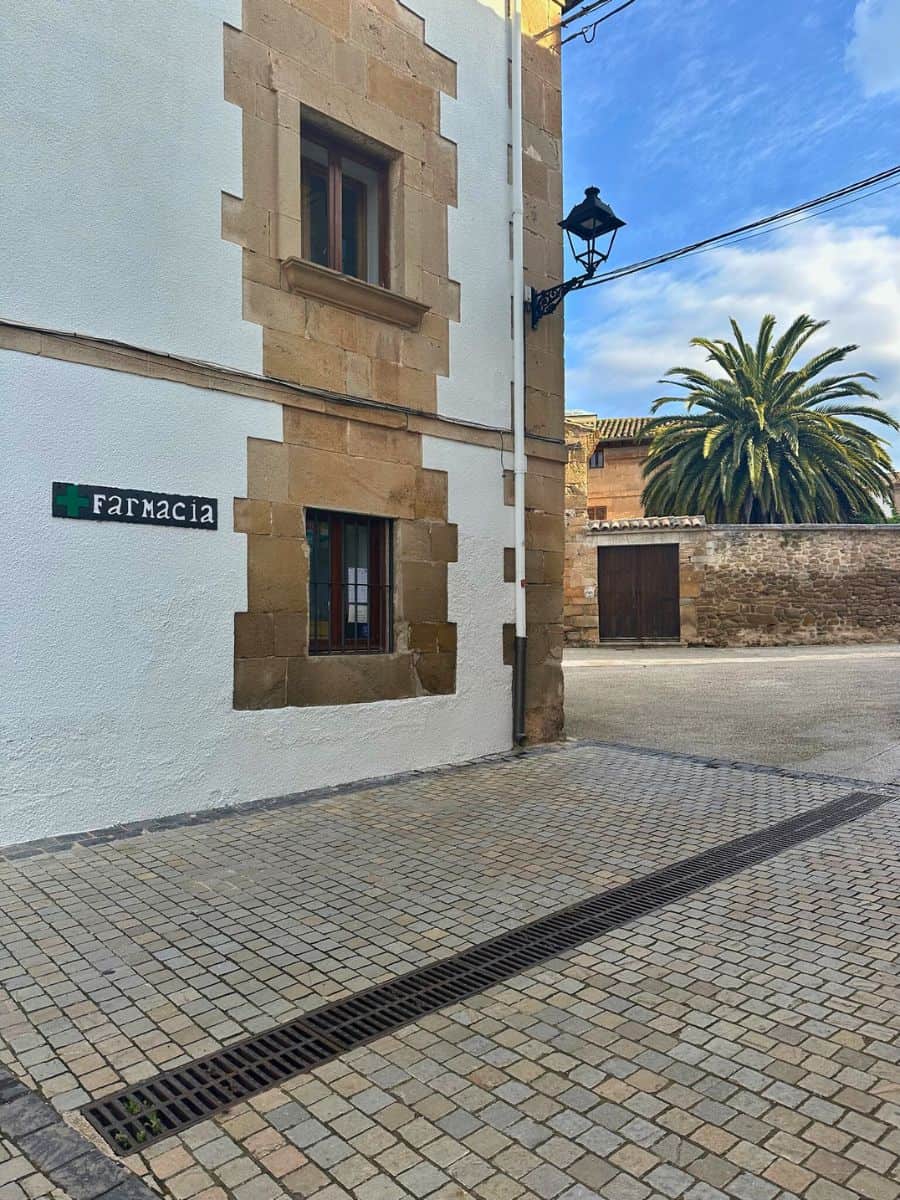
One of the perks of walking the Camino Francés is that you’re never too far from help.
Nearly every town has a pharmacy, and many of the most common Camino issues – blisters, muscle pain, mild colds, digestive troubles – can be treated without needing a doctor. Pharmacists are incredibly helpful (they see pilgrims every day during walking season) and are used to treating exactly the things you’re likely to face.
If something more serious comes up, there are clinics and health centers along the route. Just make sure you travel with health insurance, and carry a mini first-aid kit (walking buddies will often help out, too – we witnessed that kindness daily).
Personally, I developed hiker’s rash around my ankles and treated it with hydrocortisone from a local pharmacy. I also came down with a bit of a cold, and a friendly young pharmacist gave me a natural supplement that practically cured me!
And don’t be afraid to listen to your body and rest if you need to. When Steve got shin splints just after Logroño, he took a few days off from walking and used local buses to keep moving forward. While I walked each stage, he’d hop a bus later in the morning to meet me for lunch, then catch another to our stop for the night.
As I told him at the time: this isn’t the Olympics. The Camino is meaningful, yes – but the goal is to walk in a way that lets you finish strong and enjoy life after it, too.
How Do You Get to the Starting Point of the Camino Francés?
Starting from Saint-Jean-Pied-de-Port
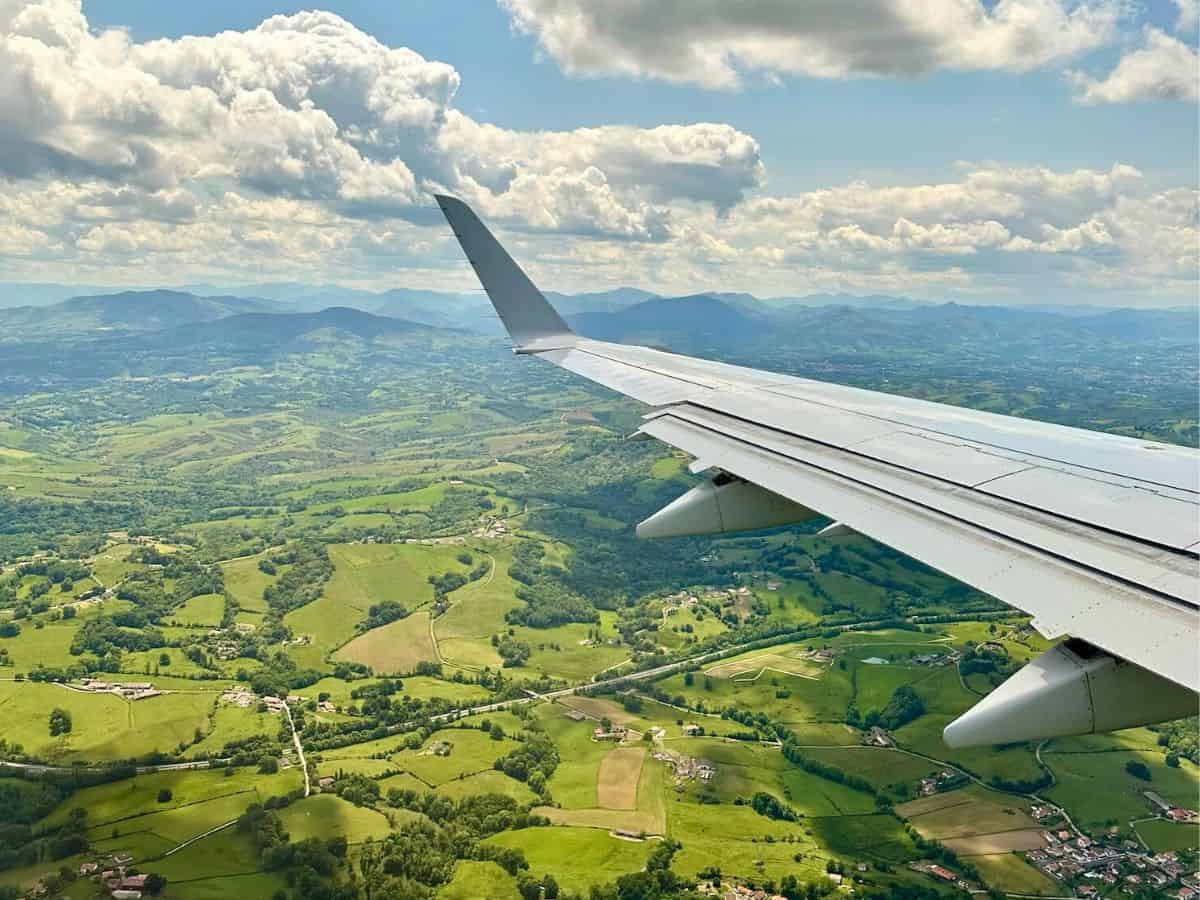
Most pilgrims doing the full version of the Camino Francés in Saint-Jean-Pied-de-Port, a charming French town at the foot of the Pyrenees. To get here, we flew from Minneapolis to Paris, then took a short flight to Biarritz.
From Biarritz, we booked a shuttle with Express Bourricot, which picked us up right at the airport and dropped us in Saint-Jean. It was seamless and low-stress. For a lower cost option, you can also take the train to Saint-Jean from Bayonne (or from other cities in France that connect through Bayonne).
Other common arrival cities include Madrid or Barcelona, with trains or buses connecting to Saint-Jean.
Starting from Sarria or Other Cities
If you’re doing the last 100km to earn your Compostela, you’ll likely start in Sarria. It’s easily reachable by train from Madrid, and you’ll find plenty of pilgrim infrastructure there too.
The same goes for starting from Pamplona, Burgos, León, or other towns along the route. Most are accessible by train from Madrid or other major cities.
Whichever route you choose, it’s worth giving yourself a little time in your starting town to adjust, prep your gear, and soak in the feeling that your Camino is about to begin. We spent a full day in Saint-Jean before beginning our journey into the Pyrenees, and really appreciated the chance to shake off jet lag and grab a few last-minute items.
What’s Daily Life Like on the Camino?
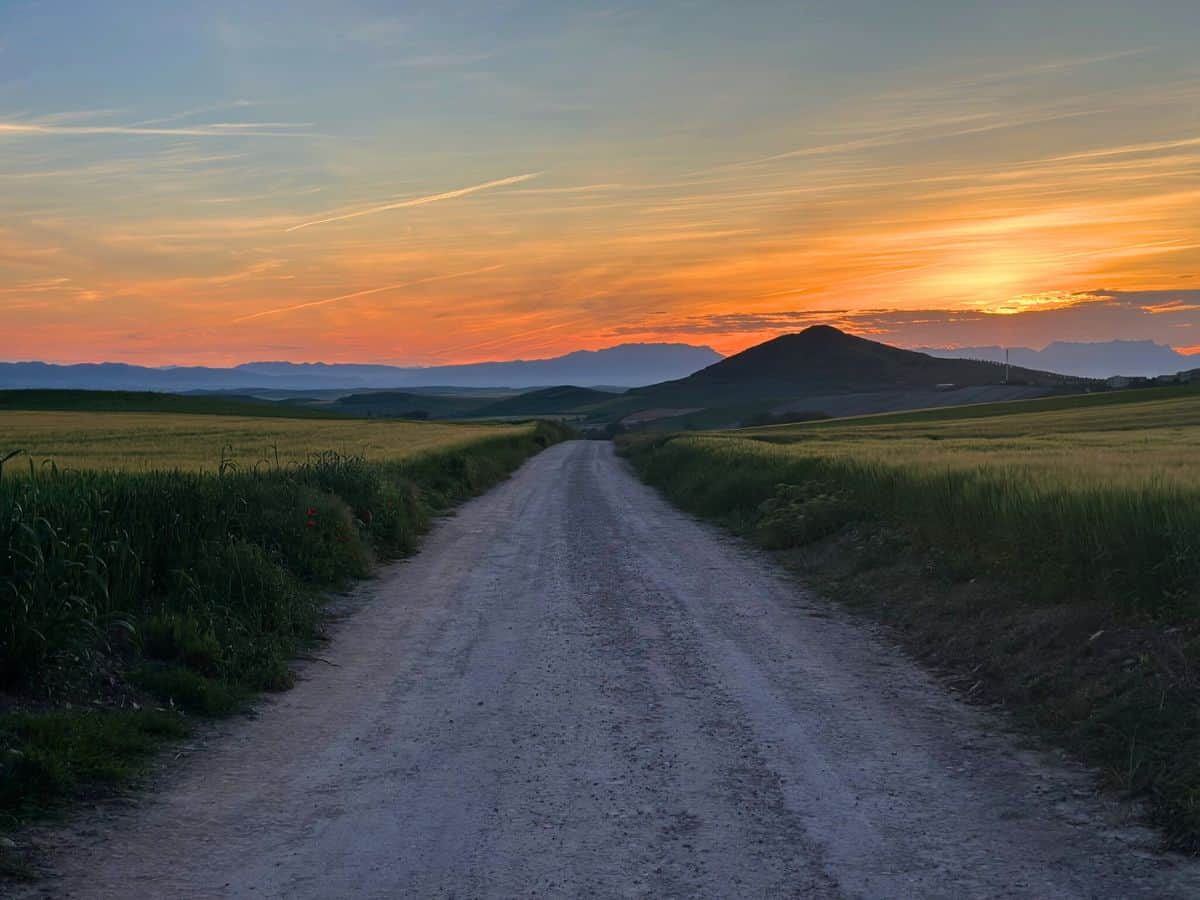
Life on the Camino Francés has a peaceful rhythm that quickly becomes second nature. When people say a typical day is walk, eat, rest, repeat, they’re not kidding. And there’s something incredibly grounding about that simplicity.
Most pilgrims follow a similar routine: early mornings, a steady walk with breaks along the way for light rest and food, an afternoon arrival in the next town, and rest and food before doing it all again the next day.
We shared a full breakdown of our daily Camino routine here. Chances are, yours will look pretty similar. There’s room to make it your own, but the core rhythm is part of what makes the Camino so special.
Can You Walk Alone?
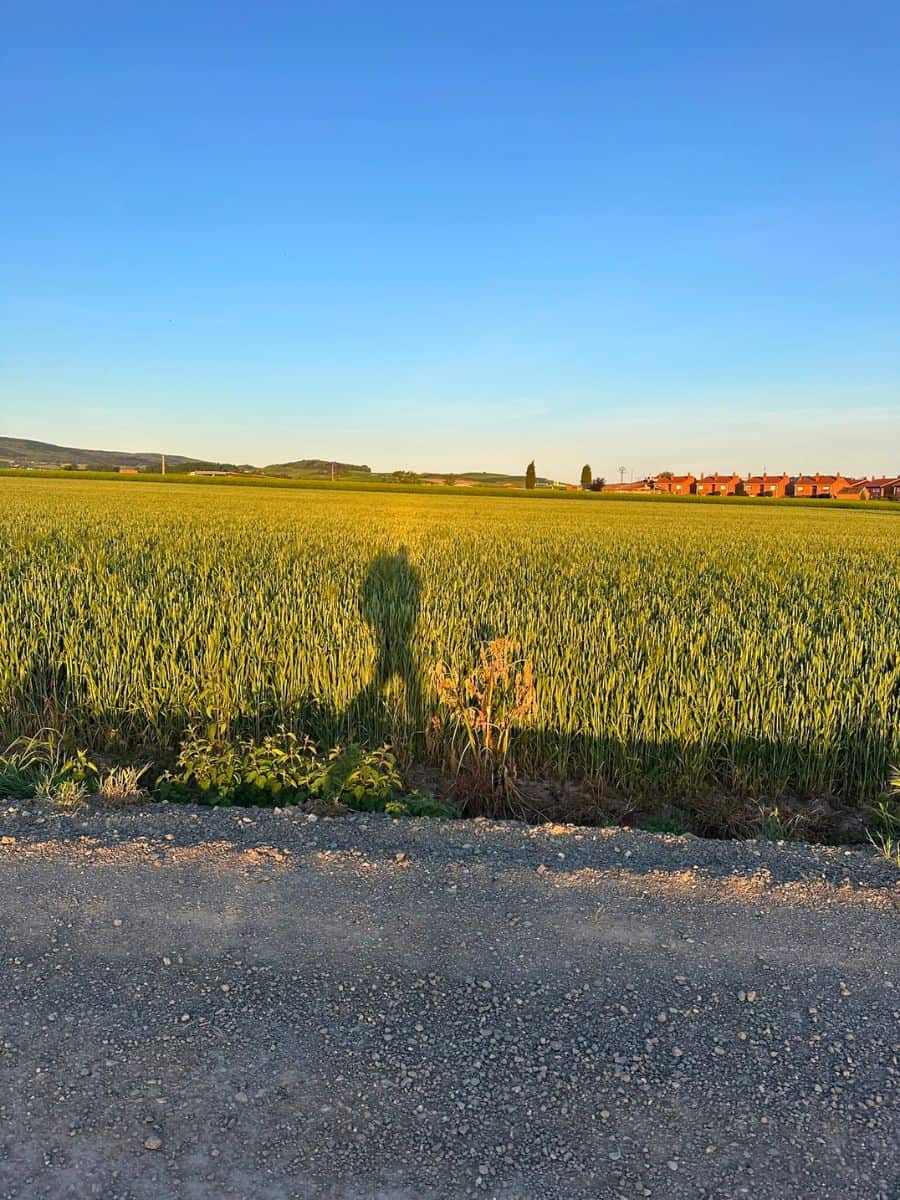
Absolutely! And many do. In fact, most of the friends we made along the Camino Francés were walking solo. If you’re new to the route, you’ll find the Francés especially welcoming for beginners walking alone.
The Camino is incredibly communal, especially the Camino Francés, which is known for being the most social of the Camino routes. From what I saw, solo pilgrims actually tended to meet others more easily than those walking in pairs or groups. I experienced this firsthand when I walked alone for a few days without Steve – I had more spontaneous conversations and new connections than at any other point.
That said, it’s also a very safe place to be on your own. People respect your space. If you’re in the mood to talk, you’ll find lots of friendly company. And if you’re craving solitude, there’s plenty of room for quiet reflection too.
When to Walk & What Weather to Expect
Choosing the best time to walk the Camino Francés for beginners depends on your schedule, weather preferences, and what kind of experience you want.
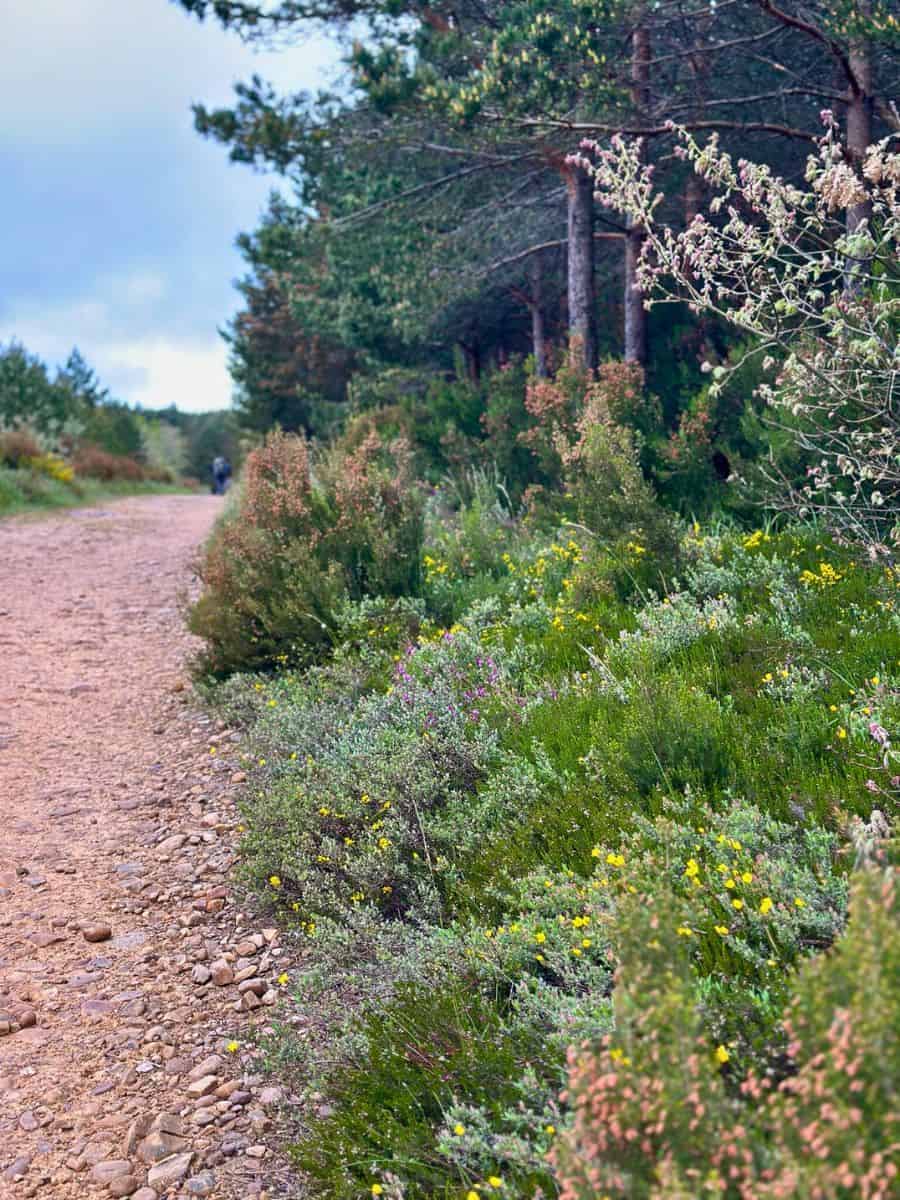
The most popular months to walk are spring (April to June) and early fall (September to October). We walked in May and found it nearly perfect – cool mornings, sunny afternoons, blooming wildflowers, and just enough fellow pilgrims to feel connected without the trail feeling crowded.
Summer (July and August) can be hot and dry, especially in the Meseta section of the route, so be prepared for higher temperatures and strong sun. If you walk in summer, start early to avoid the heat and stay well hydrated.
Winter walking is possible but less common due to colder temperatures, shorter daylight hours, and some albergues closing for the season.
Ultimately, the best time to walk the Camino Francés is when you can. The trail welcomes pilgrims year-round, so whether you’re a beginner or experienced walker, planning your trip around your availability and comfort is key.
Final Thoughts: Camino Francés for Beginners
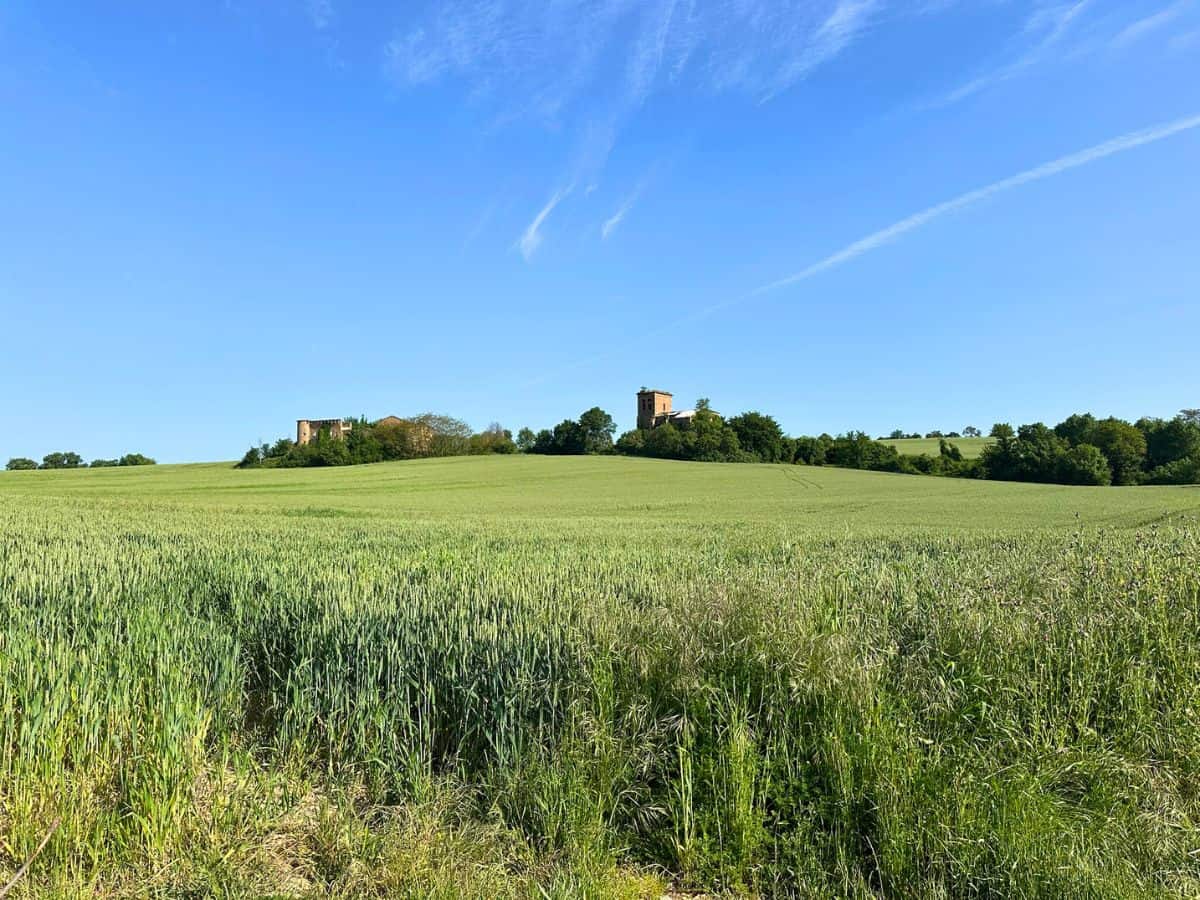
If you’re dreaming about walking the Camino Francés for the first time, know this: you don’t need to have everything figured out to begin. The Camino is incredibly beginner-friendly, especially the popular Francés route, with its well-marked paths, supportive pilgrim community, and countless towns ready to welcome you.
Whether you walk the full route from Saint-Jean-Pied-de-Port or just a portion – like the final 100km from Sarria – your experience will be meaningful. It’s not about speed or perfect gear. It’s about showing up, walking your own pace, and letting the journey unfold.
We hope this guide to the Camino Francés for beginners helps you feel more prepared – and even more excited – for the journey ahead. If the Camino is calling to you, say yes. The way has a way of meeting you exactly where you are.
Planning to Walk the Camino De Santiago?
Check out our resources for walking:
- Walking the Camino for Someone Else: A Walk with Purpose
- Daily Camino Routine: A Day in the Life of a Pilgrim
- Walking the Camino Francés in Sections
- Camino Packing Tips: What We Loved – and What We’d Leave
- 7 Reasons to Walk the Camino – And Why You’ll Find More
- Camino Francés Surprises: 9 Things You Might Not Expect
- Where to Stay on the Camino Francés: A Practical Guide